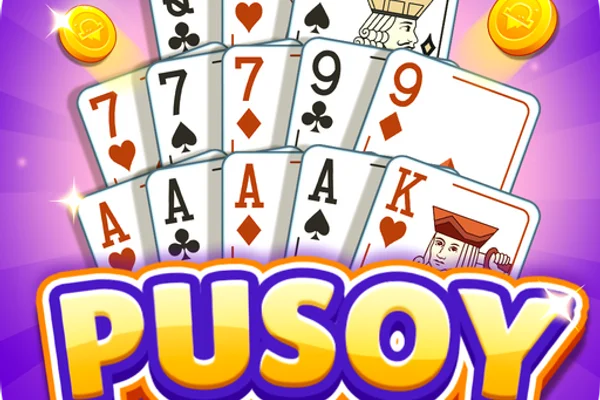


Tongits reigns as the undisputed national card game of the Philippines, cherished across barangay plazas, family gatherings, and festive neighborhood celebrations for generations. As detailed in our comprehensive 99Jili Card Games & Tongits Hub, the evolution of this celebrated three-player rummy variant into modern digital applications like Tongits Go has brought the strategic thrill of competitive card play directly to mobile screens across the nation. On 99Jili, digital Tongits tables deliver an authentic, fast-paced Pinoy card experience with real-time multiplayer matchmaking, customizable table stakes, and direct electronic wallet integration.
Whether you are playing casual micro-stake games or competing in high-stakes rooms, mastering hand management, meld timing, sapo defense, and showdown calculations is vital. This comprehensive technical guide details the rules, point scoring systems, tactical meld maneuvers, and bankroll discipline needed to excel at 99Jili Tongits Go.
99Jili Tongits Go Core Overview and Table Dynamics
Before sitting down at an active table on 99Jili, understanding the fundamental parameters governing digital Tongits play helps you navigate each round smoothly:
| Game Attribute | Official Technical Parameter |
|---|---|
| Number of Players | Exactly Three (3) Players per Table |
| Deck Configuration | Standard 52-Card English Deck (Jokers Excluded) |
| Initial Deal Distribution | 13 Cards to Dealer / 12 Cards to Remaining Players |
| Primary Victory Conditions | Hand Clearance (Tongits), Fight Challenge (Lowest Hand Points), or Stockpile Exhaustion |
| Table Stakes Range | Micro-stakes from ₱5.00 to VIP high-roller tables |
| Turn Time Limit | 15 to 20 Seconds per player action |
| Supported Devices | Android APK, iOS Mobile Web Safari, Desktop Browsers |
Card Point Values and Essential Hand Terminology
In 99Jili Tongits Go, every card in your hand carries a numeric point value that directly affects your score during a showdown or fight challenge:
Point Allocation by Card Rank
- Aces: Valued at 1 Point each (making them ideal low-point cards to hold during a showdown).
- Number Cards (2 through 9): Valued at their respective face values (e.g., a 4 equals 4 points; an 8 equals 8 points).
- Tens and Face Cards (10, Jack, Queen, King): Valued at 10 Points each (representing high-liability cards that should be melded or discarded early).
Essential Tongits Terminology
- Meld (Bahay): A legitimate combination of three or more cards, consisting of either a suited consecutive sequence (e.g., 5-6-7 of Spades) or a set of equal-ranked cards across different suits (e.g., three Queens).
- Secret Meld (Nakalapag): A valid meld that you choose to keep concealed in your private hand. Secret melds protect your combinations from sapo attachments and can surprise opponents during an unexpected fight call.
- Open Meld (Nakalatag): A meld laid face-up on the virtual table. Exposing at least one open meld is mandatory before you can call a fight or attach cards to opponents' combinations.
- Sapo (Burn): The action of attaching an eligible card from your hand onto an opponent's open meld. When you sapo an opponent, they are legally prohibited from calling a fight on their immediate following turn.
- Fight / Hamon: Challenging the table to an immediate point showdown when you believe your unmatched hand points are lower than both opponents.
- Sunog (Burned): A heavy loss penalty imposed on a player who calls an unsuccessful fight, or who fails to lay down a single open meld before another player declares Tongits.
Step-by-Step Gameplay Flow
Each round of 99Jili Tongits Go proceeds through an orderly sequence of actions:
1. The Opening Deal and Opening Discard
The designated dealer receives 13 cards, while the two non-dealing players receive 12 cards each. Because the dealer holds 13 cards at the start, they must begin the game by discarding one unneeded card into the center pot without drawing from the stockpile.
2. Drawing and Picking Up Discards
On subsequent turns, players take action rotating counterclockwise. On your turn, you must perform one of two drawing actions:
- Draw from Stockpile: Take the top face-down card from the central deck.
- Chow (Pick Up Discard): Take the top card from the discard pile, provided you can immediately combine it with cards from your hand into a new, valid meld that is laid face-up on the table. You cannot pick up a discard solely to hold it in your hand.
3. Laying Down Melds & Executing Sapos
Once you have drawn, you may place completed melds face-up on the table. If you or an opponent already has open melds on the table, you may attach matching cards (e.g., adding a 9 of Diamonds to an open 6-7-8 Diamonds run). Executing a sapo on an opponent prevents them from challenging the table on their next turn.
4. Ending Your Turn
Conclude your turn by selecting and discarding one unwanted card into the central discard pile. The turn timer then passes to the player on your right.
Three Ways to Win a Round of Tongits Go
A round of 99Jili Tongits Go concludes when one of three distinct conditions is fulfilled:
1. Declaring "Tongits" (Complete Hand Clearance)
This occurs when a player successfully incorporates or sheds every single card in their hand into valid melds. Declaring Tongits represents a clean, uncontested victory and awards the maximum payout multiplier from both opponents.
2. Calling a "Fight" (Challenging the Table)
If you hold at least one open meld on the table, have not drawn from the discard pile on your current turn, and have not been hit with a sapo, you may declare a "Fight".
- Opponents can either Fold (surrendering their current bet) or Challenge if they believe their hand count is lower.
- All remaining players reveal their cards. The player with the lowest total sum of unmatched card points wins the pot.
- Caution: If an opponent holds an equal or lower point count than the player who initiated the fight, the caller is declared "Burned" (Sunog) and must pay heavy penalties.
3. Exhausting the Central Draw Pile
If the central stockpile runs out of cards and no player has declared Tongits, all three players lay down their cards for an automatic showdown. The player holding the lowest cumulative point count is crowned the winner.
Practical Examples and Real-World Bankroll Scenarios
To understand how disciplined tactics impact performance at the tables, consider this practical scenario:
Case Study: A 20-Round Session on 99Jili Tongits Go
- Starting Bankroll: ₱500 funded via GCash.
- Table Stakes: ₱10 base entry fee per round with standard sapo and fight penalties.
- Gameplay Highlights:
- Rounds 1–5: Kept high-value melds concealed as secret melds. Won two rounds by calling well-timed fights when hand points dropped below 8 (net profit: +₱45).
- Rounds 6–10: Faced aggressive sapo pressure from player 2. Safely discarded high face cards (Kings and Jacks) to minimize points, limiting losses on two showdown rounds to minor point differentials.
- Rounds 11–15: Declared Tongits on round 13 by drawing an Ace of Spades to complete a second suited sequence, collecting the full multi-pot win (+₱70).
- Rounds 16–20: Avoided risky fight calls when holding more than 15 points. Concluded the 20-round session with an ending balance of ₱615.00 (+₱115 net profit).
- Key Takeaway: Patient hand building, early disposal of high-point liability cards, and calling fights only with low single-digit hand counts are critical for long-term consistency.
Proven Strategies for 99Jili Tongits Go
- Protect Secret Melds: Keep completed runs or sets concealed in your hand until late in the round unless opening a meld is necessary to pick up a crucial discard. Revealing your cards too early gives opponents easy targets for sapo attacks.
- Track Discard Patterns: Monitor which suits and numbers opponents discard or pick up. If an opponent picks up an 8 of Clubs, avoid discarding adjacent cards like the 7 or 9 of Clubs that could complete their sequence.
- Shed High-Point Cards Early: Unconnected Kings, Queens, Jacks, and 10s add 10 points each to your hand count if caught in a sudden fight. Discard these heavy cards early in the round to minimize your point exposure.
- Time Your Fight Calls Wisely: Never call a fight with more than 12 to 15 points unless the draw pile is nearly empty. The ideal window to challenge is when you hold under 8 points and have observed opponents discarding scattered middle cards.
Responsible Gaming Commitment
Tongits is an engaging game of skill, calculation, and strategy designed for recreational enjoyment. Always manage your bankroll with care and only wager funds that fit comfortably within your personal entertainment allowance. For confidential guidance, tools, and support resources, please consult the PAGCOR Regulatory Framework and GamCare.